


Is a Barrel Sauna Right for Your Backyard?
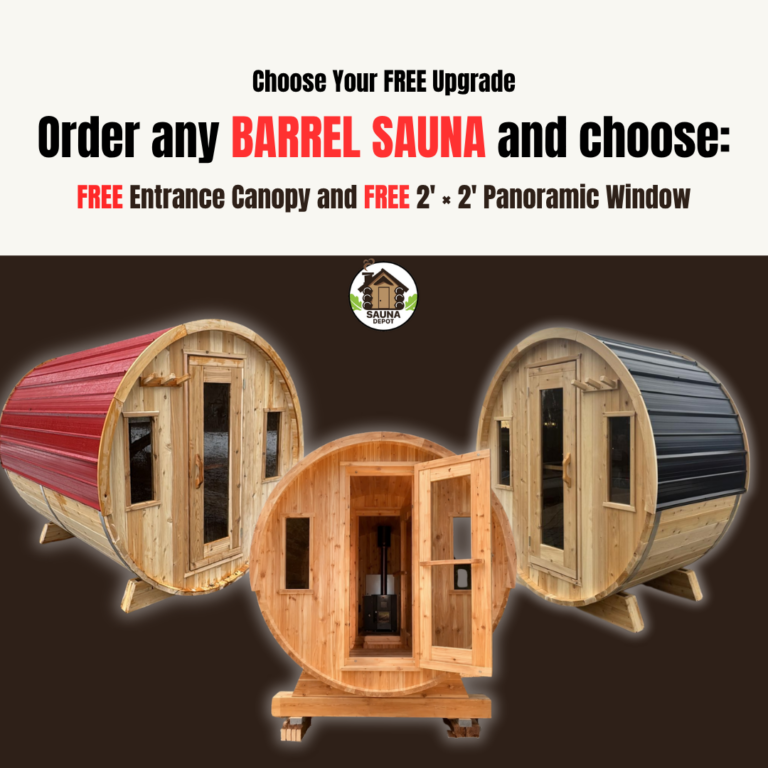
A barrel sauna can turn the walk from your back door into a ritual worth keeping. Step inside after a workout, a long workday, or an afternoon on the slopes, and the curved wood interior quickly becomes a private place to reset. For homeowners who want a high-impact wellness feature without building a full addition, it is one of the most compelling ways to craft a dream backyard retreat.
Its appeal is not only visual. The rounded profile supports efficient heat circulation, the footprint is compact, and the form feels equally at home beside a contemporary patio, a wooded cottage lot, or a cold plunge. The right choice, however, comes down to more than appearance. Size, heater type, wood quality, site preparation, and how you plan to use the sauna all shape the experience.
Why a Barrel Sauna Works So Well Outdoors
The defining feature of a barrel sauna is its circular or gently rounded shell. This shape minimizes unused air space in the upper corners, helping the room heat efficiently while creating a cozy, enveloping feel. Most models place bathers along straight benches within the curved structure, with the heater positioned near the entrance or at one end.
For many properties, the practical advantage is just as important as the look. A barrel sauna arrives as a purpose-built outdoor structure rather than a room that must be framed, insulated, and finished from scratch. Pre-fabricated models and DIY kits can simplify the path to ownership, while professionally assembled options remove the labor from the project.
The design also makes a strong architectural statement. A cedar barrel set among evergreens can feel like a natural extension of a cottage property. On a more polished backyard patio, it provides warmth and texture beside stone, composite decking, and clean-lined landscaping. It is functional wellness equipment, but it is also a place guests notice.
Choosing the Right Barrel Sauna Size
Start with how many people you expect to sauna at the same time, not the number you hope to accommodate once a year. A two-person model suits couples, smaller patios, and focused recovery routines. A four-person barrel is often the most versatile choice for families or homeowners who want to share the experience with friends. Larger models give everyone more breathing room, but they require more site space, more heater capacity, and a greater investment.
Bench layout matters as much as stated capacity. A sauna that technically seats four may feel ideal for two people who want to stretch out between rounds. If entertaining is central to your plan, look for an interior that allows easy entry and enough room to sit comfortably without constantly shifting positions.
Consider a changing room or porch when the sauna will be used through snowy winters or rainy shoulder seasons. An enclosed front room gives you a practical place for towels, robes, and shoes, while a covered porch creates a natural cooling-off spot. These features increase the overall length of the structure, so include them in your site measurements from the beginning.
Leave Room Around the Sauna
A barrel sauna should not be squeezed into the last available corner of the yard. Leave a clear, comfortable path to the door, space to open it fully, and room for regular maintenance. Think through the full experience: where will you place towels, where will you cool down, and how will you move between the sauna and a shower, hot tub, or cold plunge?
If you are planning a complete outdoor wellness zone, map the sequence before choosing a model. A short, safe route from heat to cold exposure can make the area feel intentional rather than pieced together over time.
Wood, Insulation, and Canadian-Style Weather
Outdoor saunas face sun, rain, wind, freezing temperatures, and repeated heating cycles. That makes material quality a deciding factor, not a cosmetic upgrade. Certified sauna wood, properly selected for heat and moisture, helps the structure perform well and maintain its character over time.
Cedar is a popular choice because it is naturally suited to humid outdoor conditions, offers a distinctive appearance, and brings a pleasant aroma to the sauna experience. Different wood species and grades can affect price, color, and long-term maintenance needs, so ask what is included rather than comparing models only by exterior dimensions.
Barrel saunas are commonly built with thick interlocking staves that create the shell. Their rounded form sheds precipitation effectively, but exterior care still matters. A well-prepared base, proper drainage, and an appropriate exterior treatment can help protect the investment. In exposed locations, thoughtful placement can reduce the effect of harsh wind and intense afternoon sun.
It depends on your climate and expectations whether you need additional insulation features or simply a well-built traditional barrel design. In colder regions, a properly sized heater, tight construction, and smart site planning often matter more to daily usability than chasing the lowest purchase price.
Electric or Wood-Burning Heat?
The heater sets the pace and personality of every sauna session. Electric heaters are a natural fit for homeowners who want straightforward operation. With a properly installed electrical connection, they offer dependable heat, convenient controls, and a simple way to fit sauna bathing into a busy weekday routine. Many buyers appreciate being able to set the temperature and focus on the experience rather than tending a fire.
A wood-burning heater brings a different kind of ritual. The sound of the fire, the scent of wood, and the hands-on process suit remote cottages and properties where traditional sauna culture is part of the appeal. It can also be a practical option where a large electrical service upgrade is not desirable.
The trade-off is preparation and placement. Wood-burning setups require chimney clearances, safe hearth details, dry firewood storage, and more active supervision. Electric heaters require suitable electrical capacity and professional installation. Neither is universally better. Choose the one that matches how often you will sauna, the infrastructure at your property, and the atmosphere you want to create.
Plan the Site Before You Order
A beautiful sauna needs a stable foundation. A level gravel pad, patio base, concrete surface, or properly designed deck can work, provided it supports the sauna’s weight and allows water to drain away. Avoid placing the structure directly on soft ground, where settling and moisture can create problems over time.
Measure access as carefully as the final location. Delivery may involve a driveway, gate, side yard, slope, overhead branches, or stairs. Pre-fabricated kits can be an excellent solution for tight-access properties because components can be brought to the site and assembled there. For larger units, delivery and on-site assembly planning should happen well before the scheduled date.
Local requirements also deserve an early look. Setbacks, electrical work, wood-burning appliance rules, and permit requirements vary by municipality and property type. A cottage lot, a suburban neighborhood, and a rural acreage may have very different considerations. Confirming the basics first prevents an exciting backyard project from becoming a frustrating redesign.
Details That Make the Sauna Feel Finished
The essentials create the heat, but the finishing details create the ritual. Soft interior lighting can make evening sessions feel calm without overpowering the wood. A thermometer and hygrometer help you understand the environment, while quality buckets, ladles, backrests, and headrests add comfort where it counts.
For households focused on recovery, pair the sauna with a cold plunge and a nearby seating area for rest between rounds. For entertaining, consider a deck or privacy screen that gives guests a comfortable transition space. If the sauna will be visible from the house, coordinate its exterior finish and surrounding landscaping with the rest of your backyard.
A barrel sauna is at its best when it feels easy to use in real life. Choose a size you will fill, a heater you will enjoy operating, and a site you can reach comfortably in every season. With the right planning, that simple walk outside can become the most restorative part of your day.